

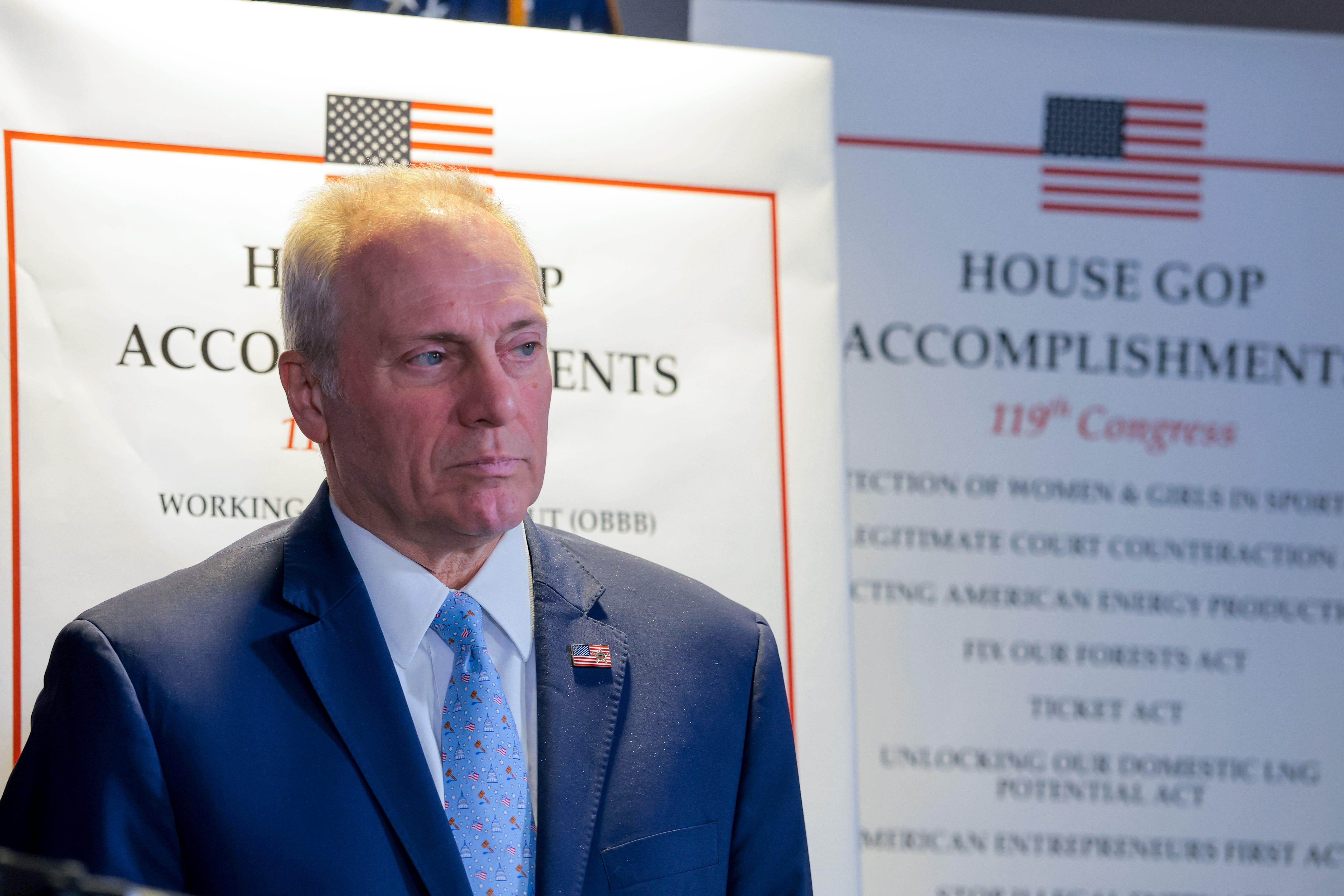
Efforts to get federal preemption of state AI laws have failed once again. On Tuesday, House Majority Leader Steve Scalise conceded defeat, acknowledging that the NDAA wasn’t the “best place” for preemption efforts — despite his earlier push to include the measure in the annual defence bill.
This isn’t the first time that preemption advocates have lost a fight — they failed to pass a similar effort in the reconciliation bill this summer. But this blow might be an even bigger one, with far-reaching implications.
The preemption debate has repeatedly shown that a policy of little-to-no AI regulation is a political nonstarter. Twice now, people like Rep. Scalise and Sen. Ted Cruz have pushed for preemption without a meaningful federal standard. Both times, they triggered uproar from across the political spectrum. The diverse coalition of child-safety groups, MAGA figures such as Steve Bannon, traditional AI safety advocates, and leftists like Bernie Sanders has held strong, united by opposition to a blanket moratorium on state AI rules without a strong federal alternative.

While Scalise and Cruz were likely open to negotiating, picking this as their opening gambit only catalyzed opposition. They, and the industry groups that backed them, appear to have once again overplayed their hand.
When the AI industry and its congressional allies gear up for round three, they will be forced to concede far more ground. There were already signs of this towards the tail-end of this most recent fight, with Nathan Leamer, who runs an organization financed by Andreessen Horowitz and OpenAI President Greg Brockman, endorsing a framework that would have been seen as overly expansive even six months ago. Next time, the industry might be forced to start there.
Industry finds itself on the backfoot in other ways, too. AI is increasingly unpopular in the US, and the backlash continues to grow. As time passes, politicians will become increasingly worried about giving AI companies a free pass. Industry knows this: it’s why they’re so desperate to pass a federal moratorium as soon as possible. The five lost months since the summer’s preemption effort have already been costly; this latest setback will be too.
Perhaps most importantly, though, the industry has burned significant political capital, with little to show for it. President Trump endorsed the preemption efforts shortly after Leamer visited the White House. That endorsement has arguably made Trump look weak and not in control of his party. He will doubtless be wary of taking advice from the likes of Leamer and allies in future.
The preemption fight is certainly not over. Nor should it be: almost everyone agrees that federal regulation of AI is preferable to state-level regulations. But the idea of preempting state laws without a meaningful federal substitute is dead in the water. And the position of the groups wanting to regulate AI has never been stronger — thanks, in part, to their opponents’ repeated miscalculations.