

The dearth of AI expertise in Congress is well known, but it may still come as a surprise that there appear to be no staffers employed directly by members of the House of Representatives dedicated entirely to AI. That, however, is about to change.
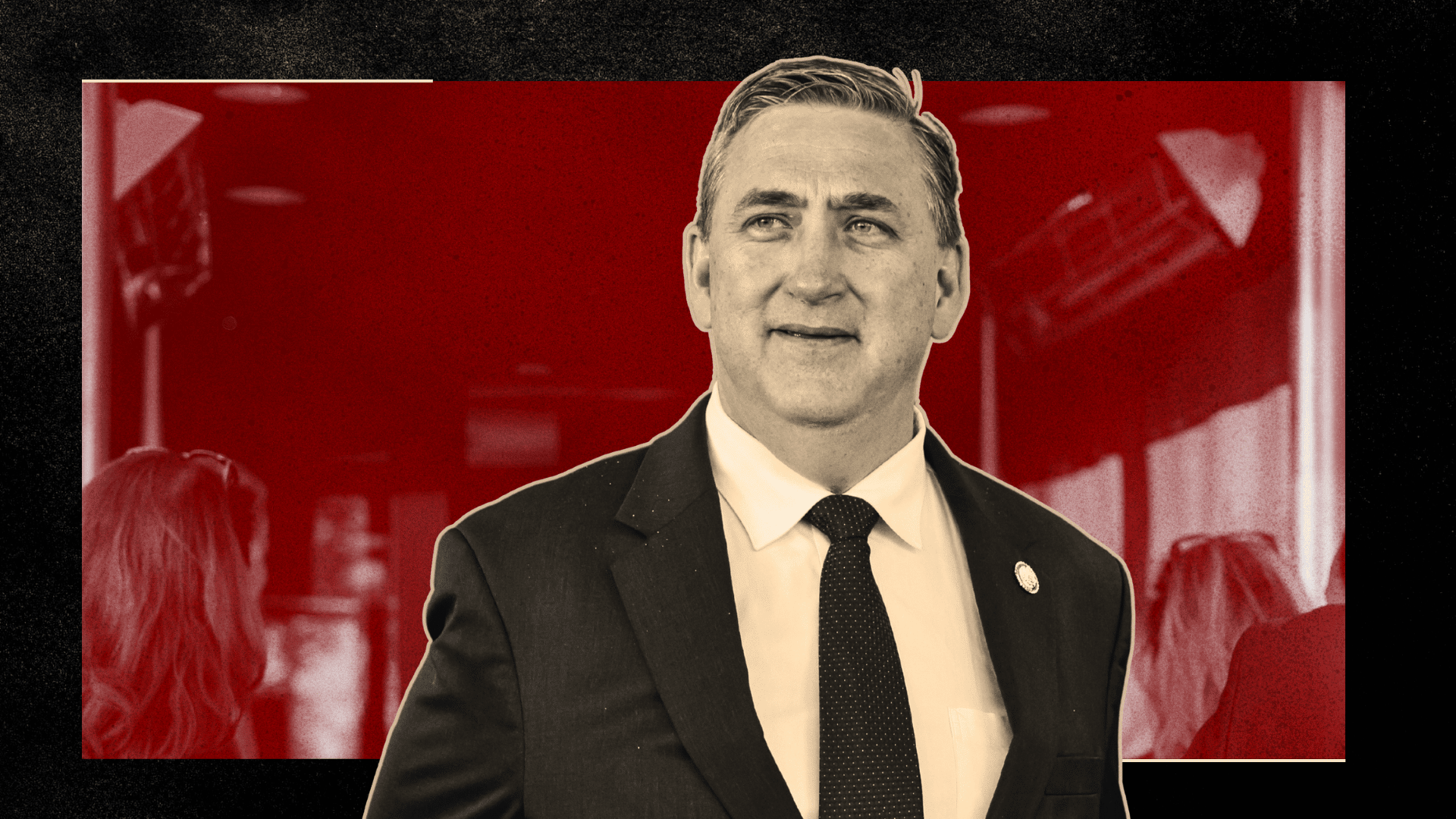
Representative Nate Moran, arguably the most proactive Republican House member on AI safety and transparency, is hiring an AI fellow to serve in his personal staff for the 120th Congress. The fellowship position appears to be the only instance of a House member directly recruiting personal staff to focus solely on AI, though others are expected to follow suit. Moran is looking for the fellow to have AI, policy research or national security expertise, according to a press release.
The move suggests Moran intends to double down on his AI policy work next year. “Every other office will have a person that, when an AI issue comes up, is the designated person to deal with it — but it’s one of multiple things that that staffer has to handle,” he explained in an exclusive interview with Transformer. “Not for us. We’re going to dedicate an additional person, on top of the legislative staffer, that’s only dedicated to AI issues.”
Moran introduced the AI Incident Reporting Act, which requires frontier AI companies to report dangerous capabilities and security breaches, at the end of June, roughly one month before OpenAI revealed that a flurry of agents hacked into the open-source AI platform Hugging Face. To date, the bill is the only piece of legislation that would have forced OpenAI to be transparent about the attack.
In July, Moran co-sponsored the Kill Switch Act, which orders leading AI firms to retain the ability to shut down or throttle their models. He is also a co-sponsor of three export control bills that could be tucked into the National Defense Authorization Act (NDAA).
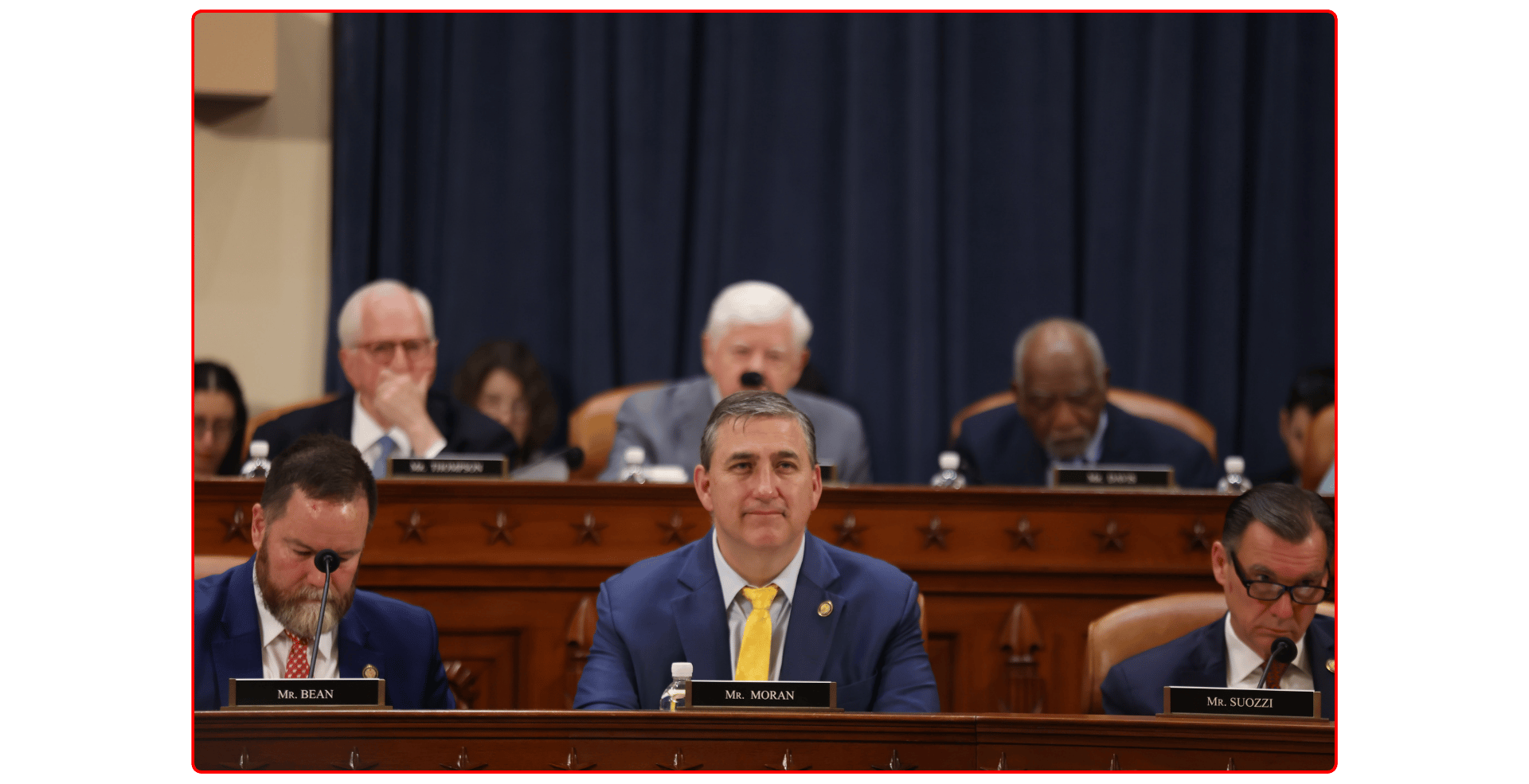
Most Republican politicians are reluctant to talk about the potential risks of an industry so close to President Trump. Yet lobbyists point to Moran as a congressman who is subtly nudging Republicans towards a stronger posture on AI safety. Moran, who was endorsed by the president, rejects that characterization, arguing that lawmakers decide their policies for themselves. Nonetheless, AI policy advocates say Moran is willing to think independently of his peers, and they expect him to introduce and cosponsor more legislation next year. Moran said he is “in the process of looking at” a bill floated by Democratic Representatives Sara Jacobs and Don Beyer at AI conference The Curve, which integrates aspects of his Kill Switch and AI Incident Reporting Acts.
For the vast majority of staffers working on AI, it is just one of several topics in their portfolio. Technical knowledge typically descends from committee staff, who do things like prepare briefings for committee members which are then interpreted, and adjusted to a member’s priorities by those personal staff.
The party in power hires the majority of those individuals, meaning that next year, if Republicans lose the House as expected, Democrats will be selecting the few AI experts that are present in Congress.

Moran does not hold a position on the committees most relevant to major AI legislation who have these staff: his assignments are on Ways and Means, which oversees tax legislation, Ethics, which manages issues of morality and rulebreaking among members, and the China Select Committee, which has a team of technology-focused staffers, but does not have authority to mark up or send a bill to the floor.
But by hiring a fellow, Moran is ensuring he will have access to at least one AI expert dedicated to keeping him, particularly as a conservative member and as someone who isn’t on AI’s most buzzy committees, informed.